Start With a Clear Picture of Your Tree
A tree that leans, splits, or rests on a roof can feel like a big, scary problem. It helps to think of it like a warning light on a car dashboard. The light is not the whole story. It just tells you to look closer before things get worse.
Traditionalconnected Tree Service is a referral service for homeowners in Tampa and the Tampa area. It does not cut trees. It connects you with independent local providers in the network who do. You describe what the tree is doing, and a provider can look at it and explain what choices you have.
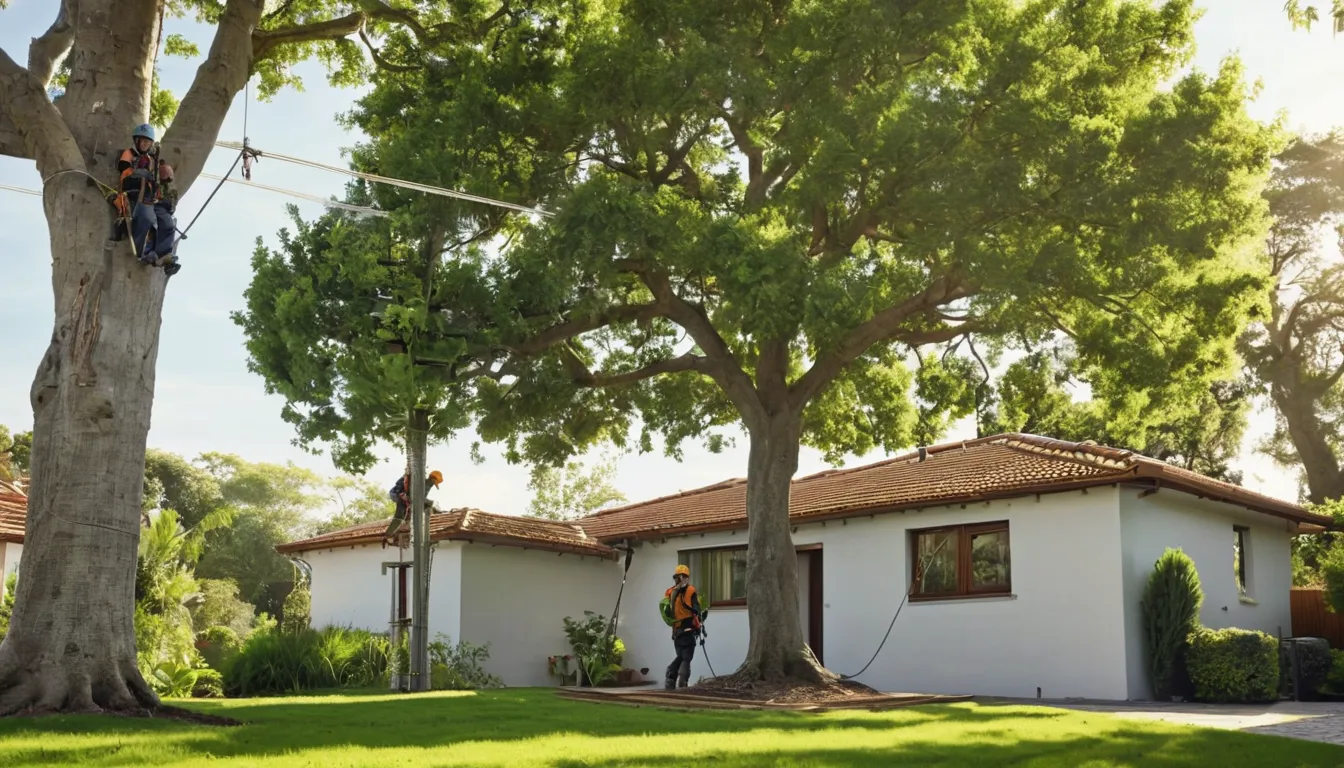
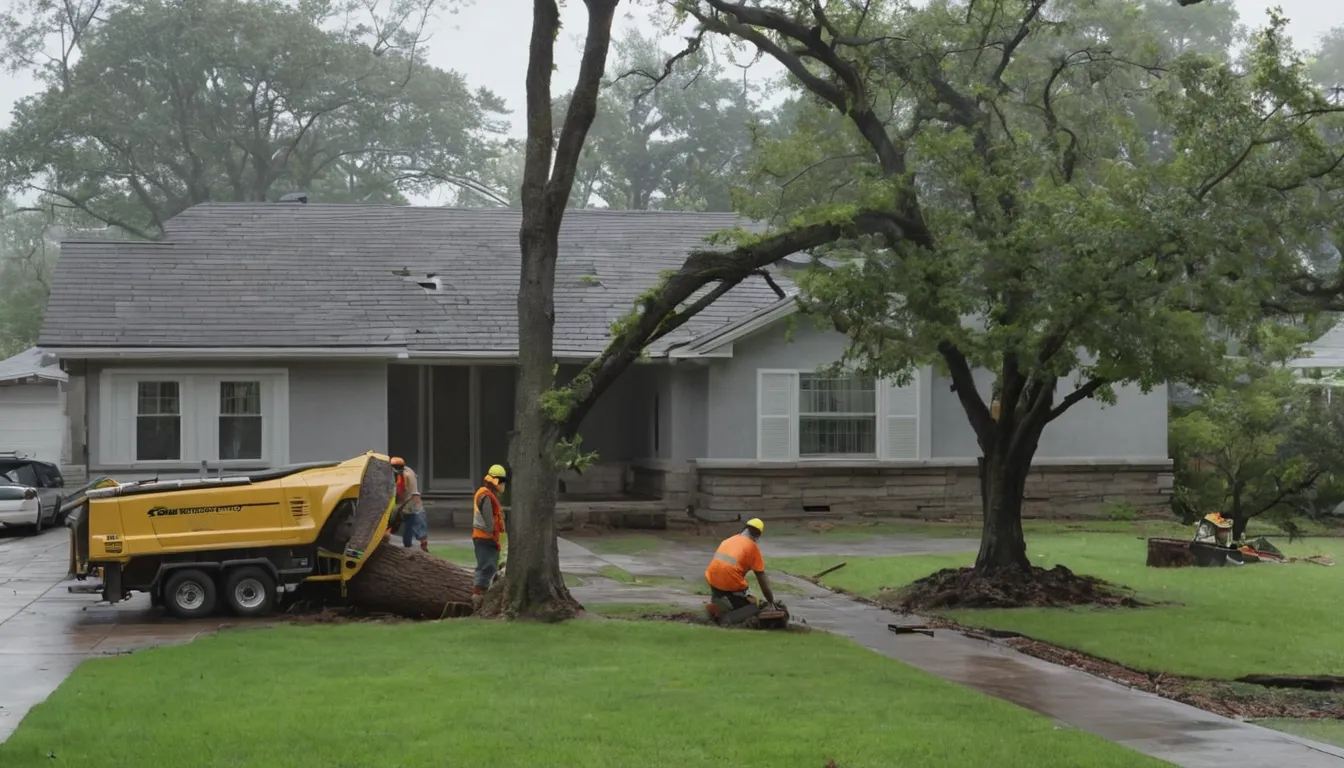
Most jobs fall into three groups. Some trees need planned removal because they are dying, crowded, or too close to the house. Some need emergency tree removal after a storm or a sudden crack. Some are already down, and the stump is what remains. Knowing your group makes the next step much easier.
If you would rather talk it through, Request a callback to check provider availability. Call hours vary by provider, and there is no obligation to hire anyone.
How It Works
A Switchboard, Not a Tree Company
Think of Traditionalconnected Tree Service like the switchboard at a busy office. You do not need to know every extension. You say what you need, and you get pointed to the right desk. That is the whole job here.
The path is short:
- You request an estimate or request a callback to check provider availability.
- You describe the tree, its size, and where it stands.
- A local provider in the network follows up to talk about the work.
- The provider gives you a written quote before anything starts.
Who Does the Work
Be clear on this point. Traditionalconnected Tree Service does not cut, haul, or grind anything. The providers are independent businesses. They set their own prices, schedules, and terms, and they carry out the job. You decide whether to hire the provider who contacts you.
Why Options Come First
Picking a tree plan is like choosing a route on a map. The shortest road is not always the safest one. Some trees can be trimmed instead of removed. Some need a crane because of a roof or fence below. Some only need the dead limbs taken out. A provider can walk you through each choice, with the reasons, so the decision stays yours.
Less Searching
Looking up tree services one by one takes time, and a problem tree does not get smaller while you read reviews. Sending a single request through the estimate form can shorten that search. Many providers can respond quickly, though availability changes with the weather and the season.
Serving Tampa and Beyond
Traditionalconnected Tree Service works with independent providers across Tampa, FL, and the Tampa area. Think of the network like a set of neighborhood hardware stores. Each one knows its own streets, and you go to the one close to you.
That local knowledge matters with trees. Many homes here sit in subdivisions from the 1970s through the 2000s. Lots are often tight, with tree roots near slabs, pool cages, fences, and power lines. Roofs are often tile or shingle, and a falling limb can crack either one. A provider who works nearby has likely handled yards like yours.
The warm, humid climate also shapes the work. Trees grow fast and hold a lot of water in their leaves. Almost daily summer storms and hurricane season can load a weak tree with extra weight and wind. Providers in the area plan for that, and many offer storm tree clearance when branches come down.
Not sure whether your address is covered? Send a request and the form will help sort it out.
You can also Request a callback to check provider availability for your street.
What Homeowners Here Should Know
Why Trees Fail in Warm, Wet Weather
A tree in humid weather is like a sponge sitting on a stick. Wet soil loosens the grip of roots, and heavy leaves catch wind. After a long rainy stretch, even a healthy-looking tree can lean. That is why a quick look from a provider is wise before storm season.
Signs a Tree May Need to Come Down
Watch for a new lean, cracks in the trunk, mushrooms near the base, dead branches at the top, or roots lifting the ground. One sign is not always a crisis. Two or three together deserve a professional opinion.
Emergency Tree Removal After a Storm
If a tree is on your house, a car, or a power line, keep everyone away from it. Stay out of the area, and do not touch anything the tree is touching. Then ask a provider about emergency tree removal. Many providers can respond quickly, but availability varies with storm demand.
Tree Falling Service and Planned Jobs
A planned tree falling service is calmer. The provider checks the tree, plans where it will land, and picks the tools. Near a house, parts of the tree are often lowered in pieces. Planning ahead usually leaves more choices than waiting for the next storm.
Stump Grinding
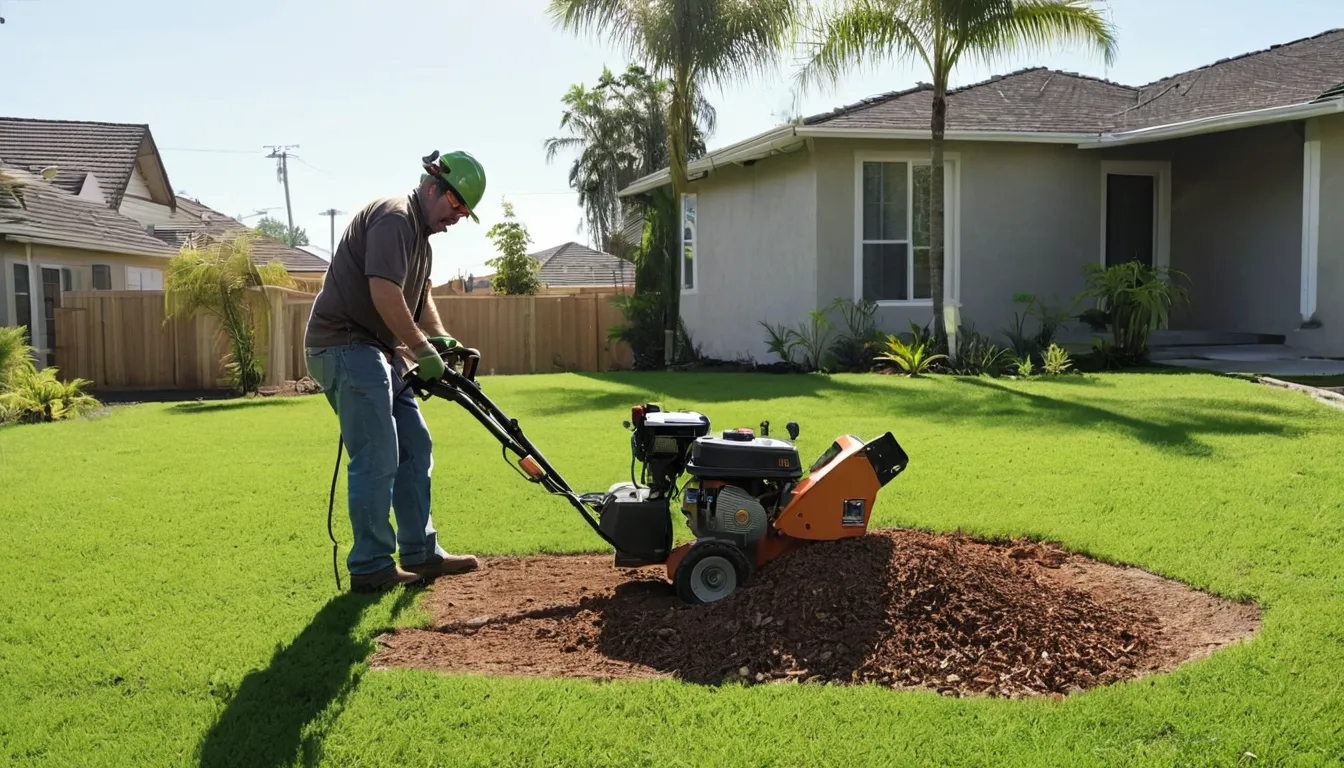
A stump is like a tooth that is left after the crown is gone. Stump grinding shreds it below the surface so you can plant grass or build over it. Ask whether the grindings will be left or hauled away.
Typical Costs
Prices vary by job. In the U.S., a small tree may cost a few hundred dollars to remove, while large or hard-to-reach trees can run well over a thousand. Stump grinding often costs a few hundred dollars per stump. Always get a written quote.
Permits and Insurance
Some cities and communities require a permit or approval for certain trees, so ask early. Some insurance policies may cover sudden damage from a fallen tree. Check your policy, and ask the provider to help document the damage for a claim.
Getting Ready for the Visit
Take a few photos, note where the tree stands, and clear a path if you can. Mention power lines, fences, and pools. Clear details make for a clearer quote.
Ask About Your Tree
You do not need a perfect description. Tell us where the tree is, what it is doing, and what worries you. An independent local provider can follow up, explain the options, and give you a written quote. There is no obligation to hire.
Prefer to speak with someone? Request a callback to check provider availability. Call hours vary by provider.